10.1111/nyas.14141 13 BrandK.SaarelainenL.SonajalgJ.BoutmyE.FochC.VaarasmakiM.et al (2022)
This compact tripeptide, GHK, demonstrates a remarkable binding affinity for copper ions, forming a stable structure that is integral to a variety of physiological functions
LocatelliFThompsonAAKwiatkowskiJLPorterJBThrasherAJHongengSet alBetibeglogene autotemcel gene therapy for non-Beta(0)/Beta(0) genotype Beta-thalassemia
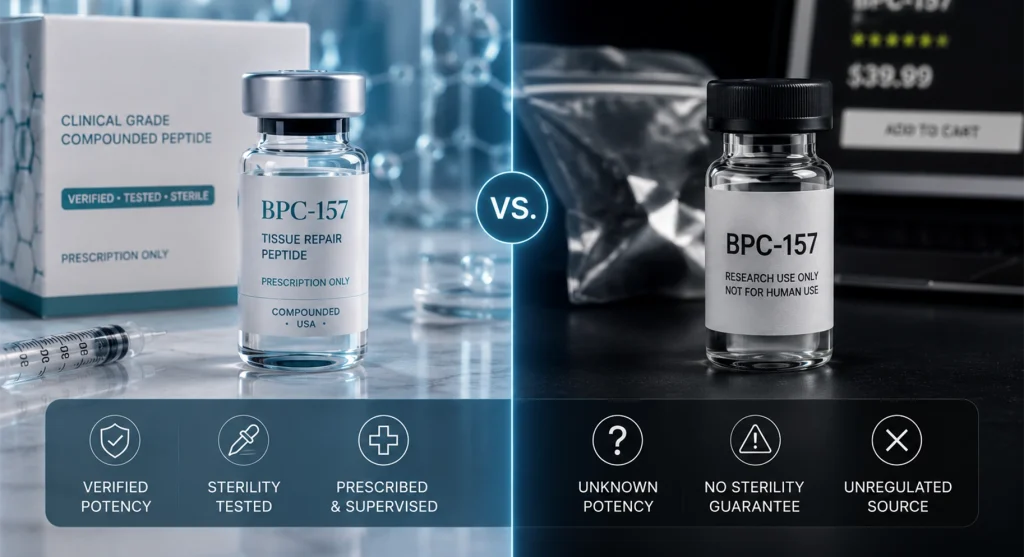
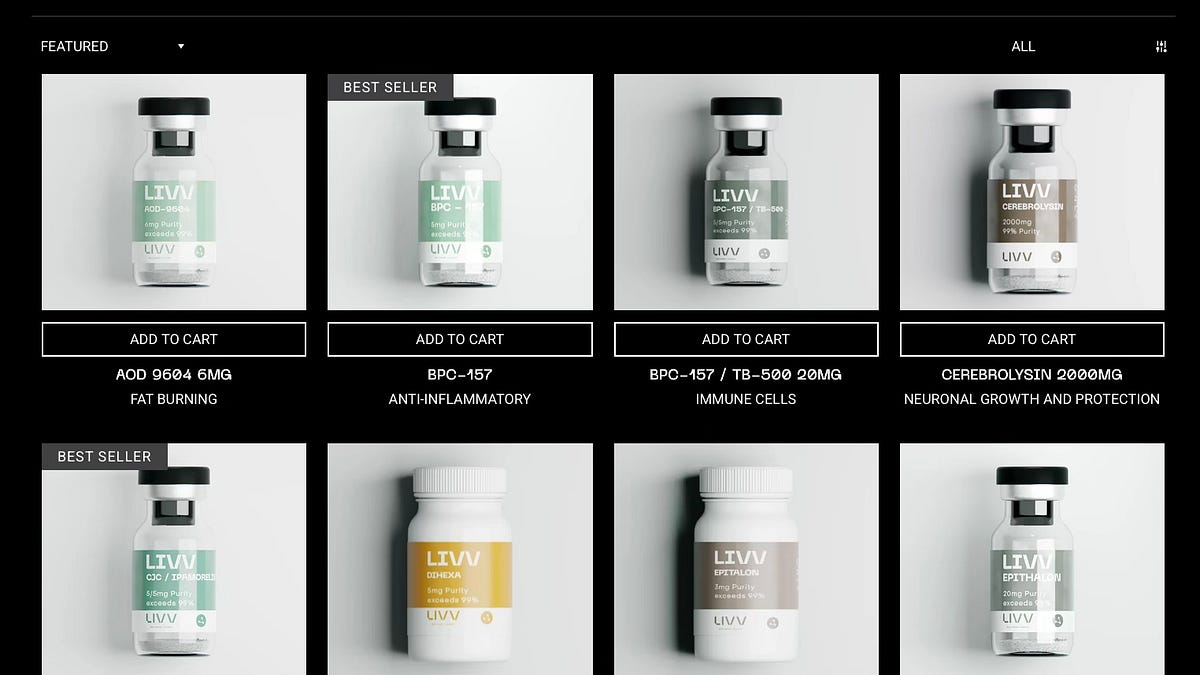
These peptides are currently heavily utilized in wellness, longevity, and restorative medicine but have faced regulatory uncertainty regarding their safety and legality
PLoS Comput Biol 2021;17:e1009708

Key Research Areas for Glutathione Intracellular redox status measurement GSH/GSSG ratio as a primary cellular oxidative stress index Oxidative stress induction and rescue assays GSH depletion (buthionine sulfoximine, BSO) and repletion studies Glutathione peroxidase (GPx) and glutathione reductase (GR) enzyme activity assays Glutathione S-transferase (GST) detoxification pathway research xenobiotic and electrophile conjugation studies S-glutathionylation and redox-regulated post-translational modification studies Nrf2/ARE pathway research transcriptional regulation of GSH synthesis and antioxidant gene expression Mitochondrial GSH pool studies mtGSH depletion, mitochondrial oxidative damage, and mtDNA protection research Cancer cell biology GSH-dependent drug resistance, ferroptosis pathway research, GSH-targeted therapeutic strategy studies Neurodegeneration pathway research GSH depletion in dopaminergic and other neuronal cell models Immune cell function GSH regulation of T-cell proliferation, cytokine production, and inflammatory signalling Lipid peroxidation and ferroptosis pathway studies GPx4-GSH axis research GCL/GS enzyme activity and GSH biosynthesis regulation studies in vitro What Do Studies Say About Glutathione


:max_bytes(150000):strip_icc()/benefits-of-glutathione-89457_final-01-502464fe91b2444285b0cccf8cb0a33c.png)